
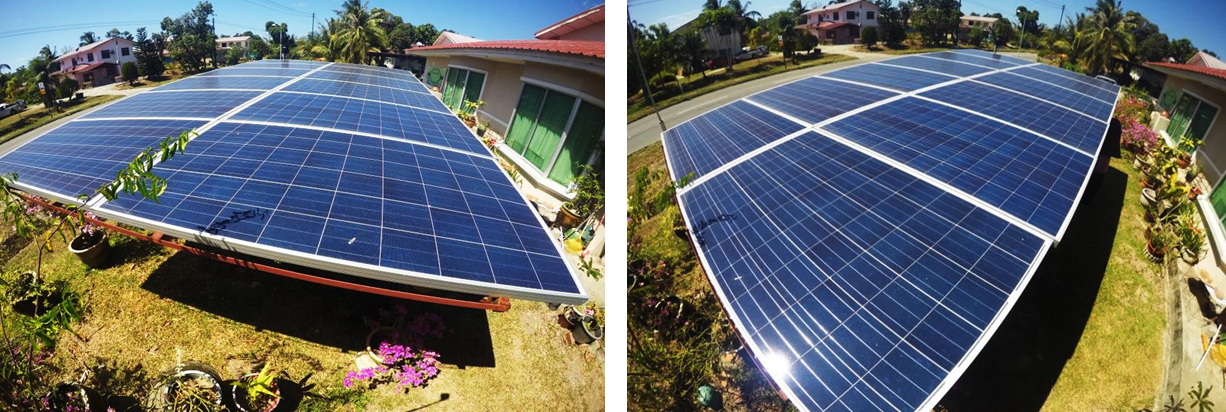
Figure 2: Solar PV systems installed in a house.
Brunei Darussalam is targeting to reduce 63% of the National energy consumption by 2035. Besides, at least 10% of the power generated would be from New and Renewables sources by this target year. Hence, energy efficiency and renewable energy use plays key roles in Brunei’s long term energy scenario. Household demand accounts for 38.2% of the total energy consumed in Brunei. Hence, the domestic sector should be a prime target for energy conservation and renewable energy utilization initiatives.
With these in mind, this project aims at identifying efficient demand side management of energy use in Bruneian homes. Long term energy demand in Brunei has been modelled using the LEAP. Energy demand for various sectors, under this 63% targeted reduction, has been modelled. Possible energy conservation measures in the household activities are identified based on the data generated from the previous pilot demonstration project carried out by the UBD|IBM Centre. Field level experiments are also conducted.
With an average daily solar insolation of 5.43 kWh/m2/day, solar energy is the most viable renewables energy for Brunei. Possibilities of roof top solar PV systems in Bruneian homes are also being investigated. Along with the technical aspects, a detailed cost benefit analysis following the present worth approach has also been carried out.